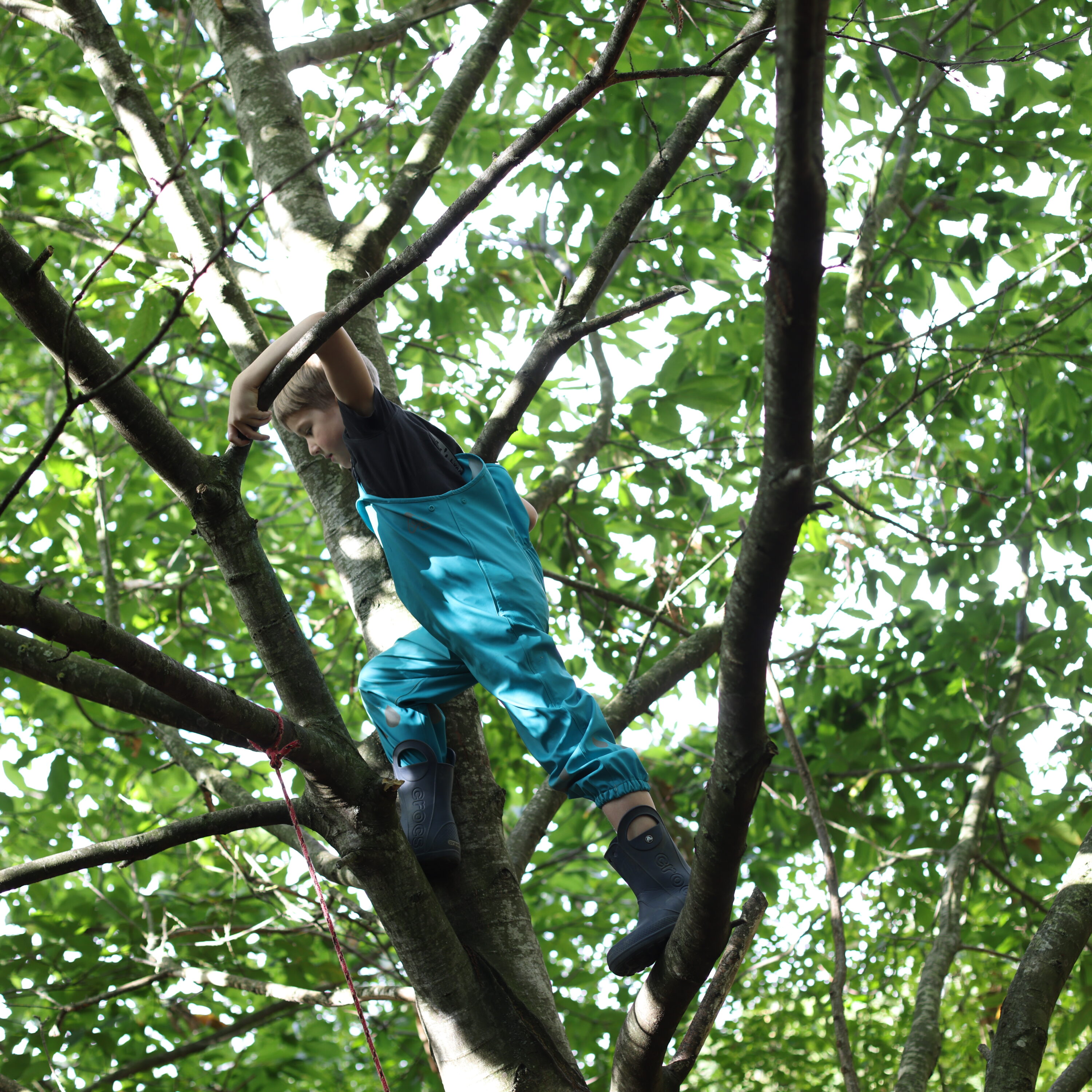
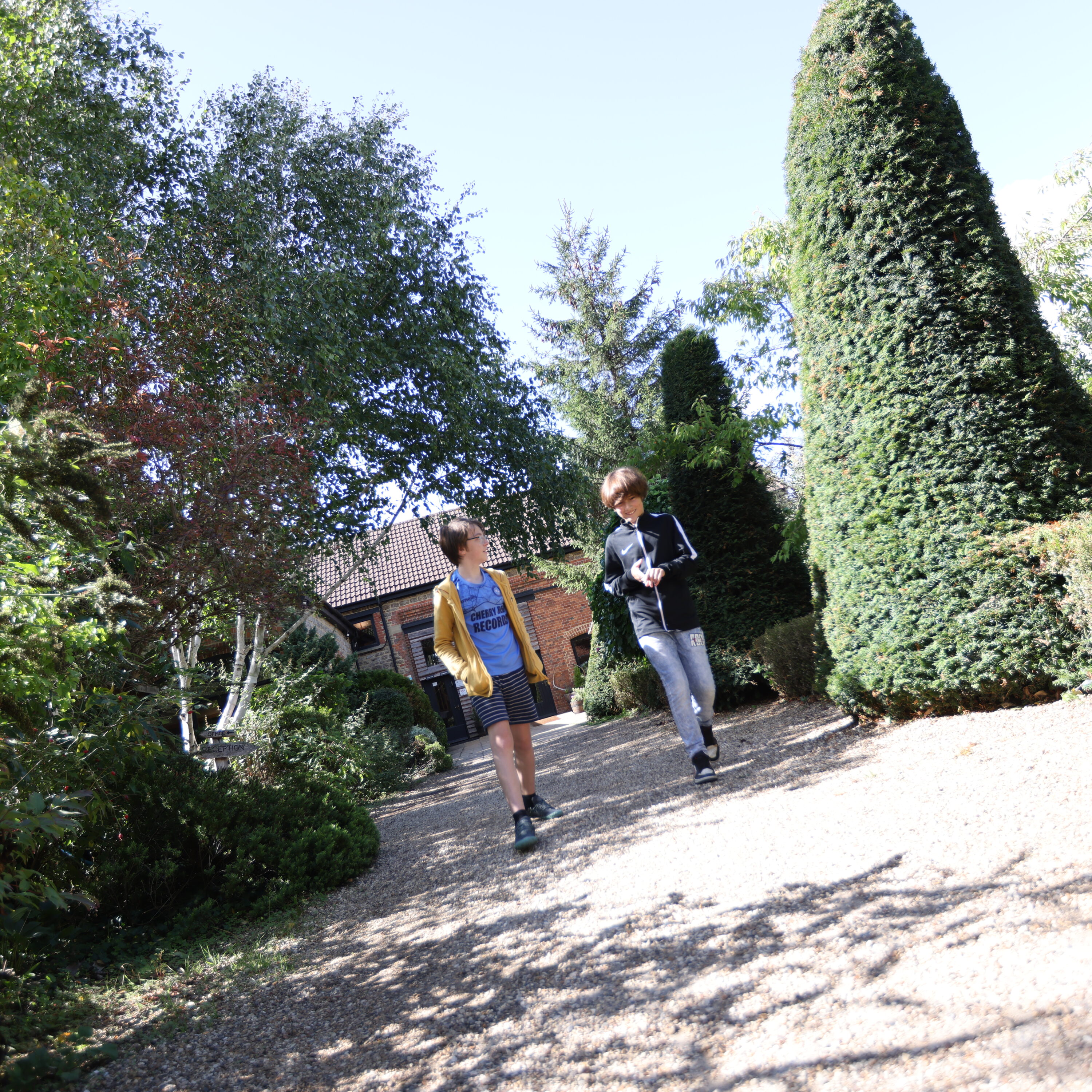
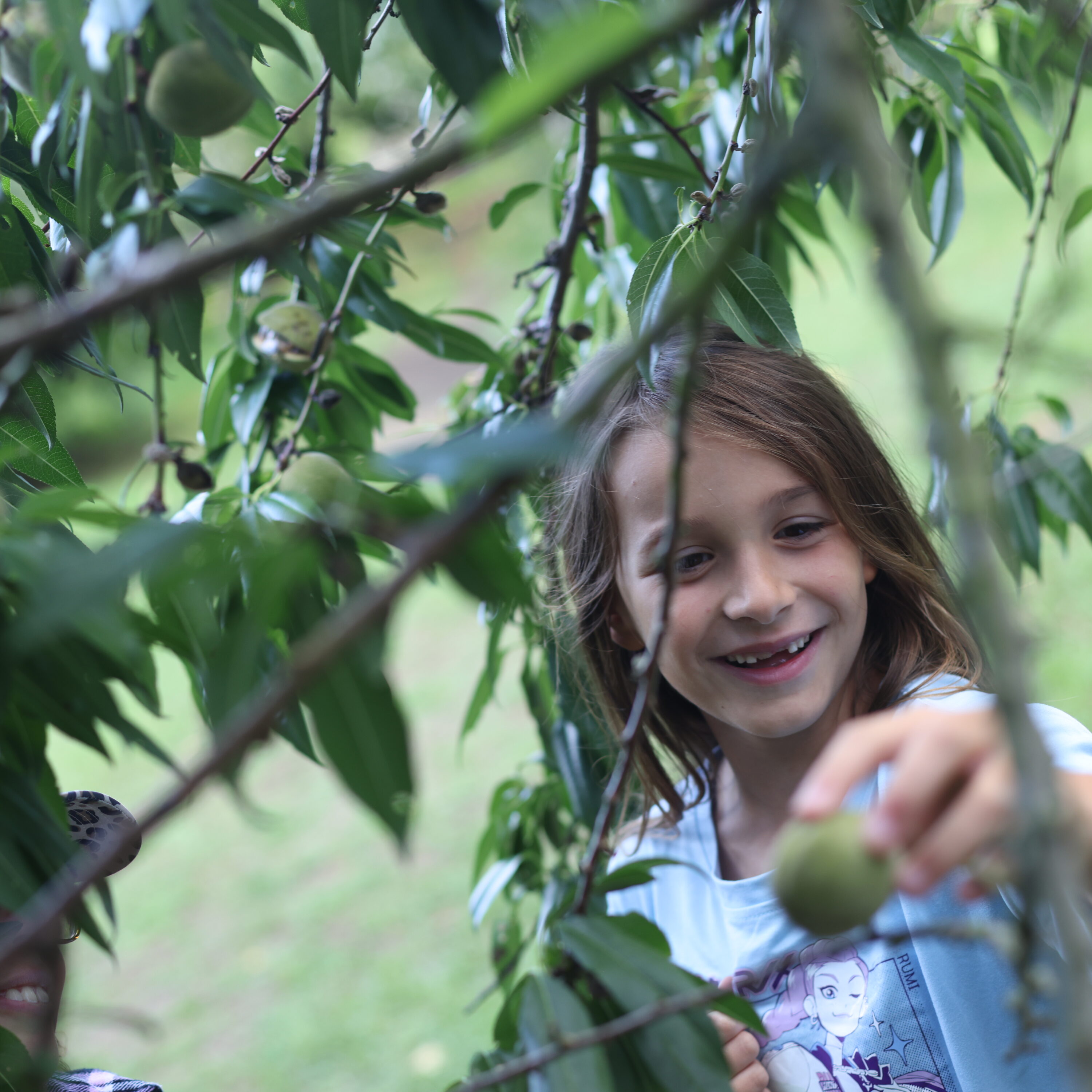
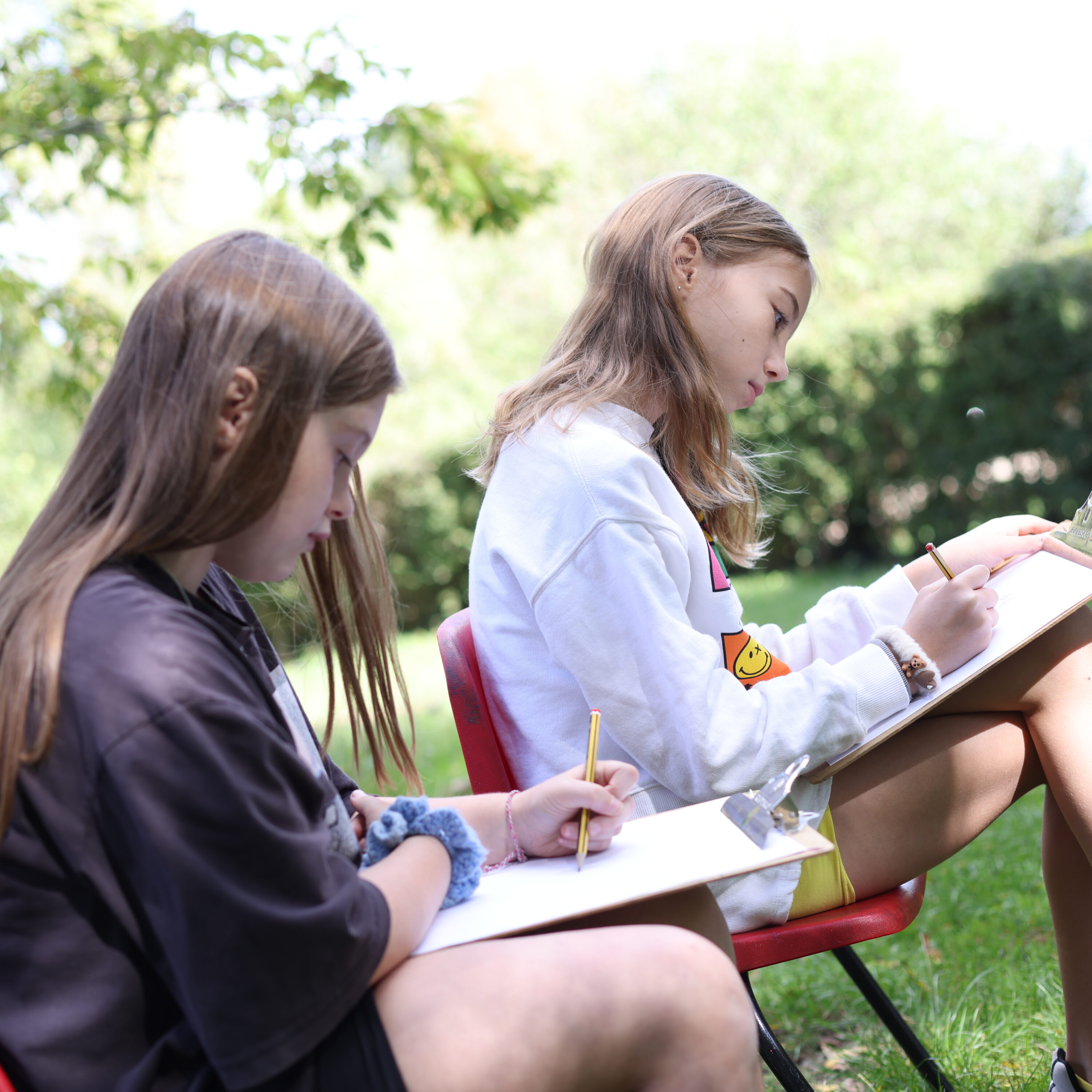
At OMS, we are incredibly fortunate to be situated in a beautiful natural environment.

Our green spaces offer daily opportunities for children to connect with the natural world, appreciate seasonal changes, and develop curiosity and care for their surroundings.

We recognise that a healthy environment is vital for our children’s futures. As a whole school community – pupils, staff and families – we are committed to protecting the planet and making OMS as sustainable as possible for everyone now and in the years ahead.

Our Commitment

We aim to model environmentally responsible behaviour and empower every child to make positive choices that reduce our impact on the planet. This is woven into our daily routines, school life, curriculum, and special projects.

We are proud to be part of the Eco-Schools programme, an internationally recognised framework that helps schools embed sustainability in their learning and practice. Pupils from both Primary and Seniors serve as Eco Councillors, meeting each term to plan and lead new projects. We currently hold the Bronze Award and are actively working towards Silver.

Everyday Actions

Each day, we practise and teach simple habits that make a real difference:

  • Turning off lights and electrical equipment when not in use — and teaching children to do the same.
  • Using heating thoughtfully, choosing warm clothing over opening windows in winter.
  • Minimising single-use plastic and choosing reusable or low-impact alternatives.
  • Conserving water by turning off taps after use and using only what we need.
  • Choosing environmentally friendly cleaning products and resources where possible.
  • Reducing food packaging in lunches and encouraging reusable water bottles.
  • Saving paper and using recycled paper wherever possible.
  • Composting food waste.
  • Growing fruit and vegetables with our pupils.
  • Avoiding chemical fertilisers or weed killers on school land.
  • Regular litter picks on site and in the wider community.

These everyday habits help build lifelong sustainable behaviours.
Learning for Life

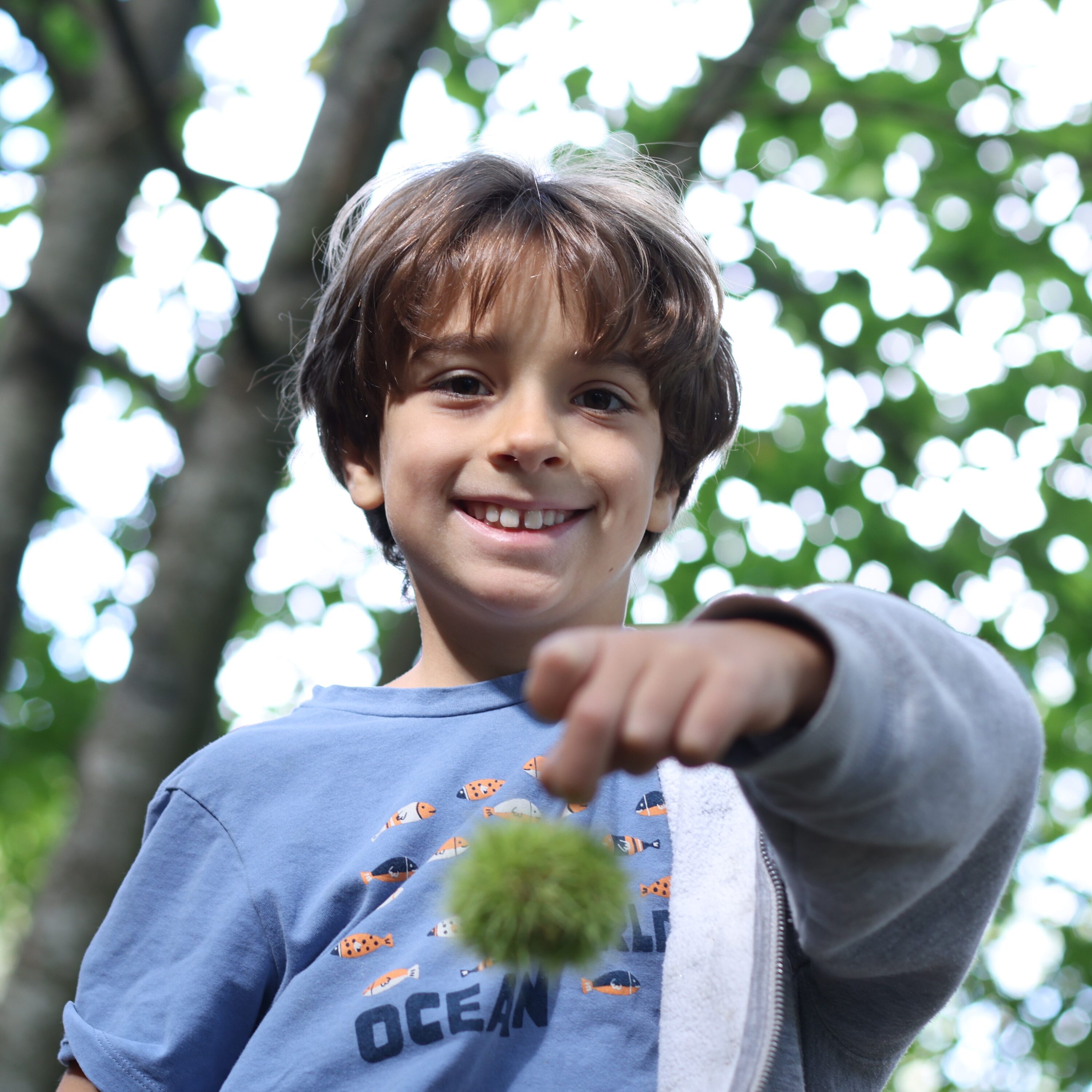
Environmental education at Forest Farm goes beyond actions – it’s about understanding the issues and nurturing informed, compassionate stewards of our world. Pupils explore topics including:

  • The impact of fossil fuels and the need for alternative energy sources.
  • The science of climate change and its global consequences.
  • Habitat loss and biodiversity decline.
  • The issue of plastic pollution and microplastics in ecosystems.
  • How landscapes and animal habitats are changing.

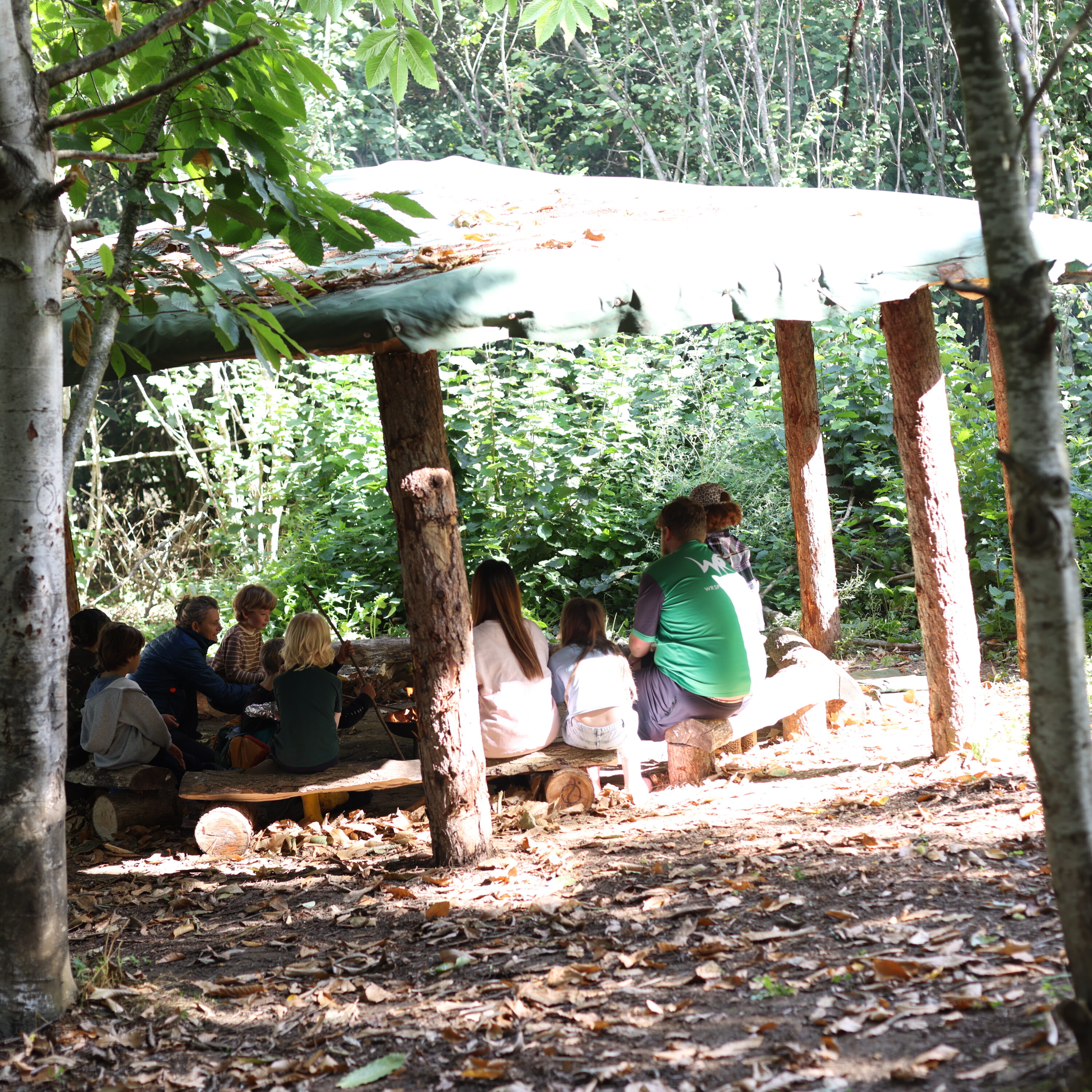
We also offer Forest School sessions, assemblies, and visits that enrich these studies, helping children appreciate nature first-hand.

Completed Initiatives

Our community has already taken several meaningful steps to reduce our environmental impact:

  • A sustainable wood-pellet heating system that also heats water.
  • Creation of a coppice woodland of 2,000 trees, enhancing wildlife habitat and producing wood for practical use.
  • Annual wildflower meadow planting to help pollinators like bees and butterflies thrive.
  • Construction of buildings using recycled, reclaimed and sustainably sourced materials.
  • Increasing outdoor learning, with the aim of spending at least 20% of the week in nature.

These initiatives support both our Eco-Schools journey and our broader commitment to sustainability.

Looking Ahead

We continue to plan and develop new environmental actions, including:

  • Rainwater harvesting for gardening and possibly toilet flushing.
  • Expanding our grown produce for use in school meals and the wider community.
  • Increasing capacity for composting.
  • Improving insulation across buildings.
  • Installing solar panels where feasible to generate renewable energy.

We regularly review this policy and update it to reflect new knowledge, pupil-led ideas, and environmental best practice.

We believe that caring for the environment is essential to our children’s education and future wellbeing. By nurturing knowledge, values and practical habits, we help our pupils become confident and capable citizens – ready to face the challenges and opportunities of the 21st century.